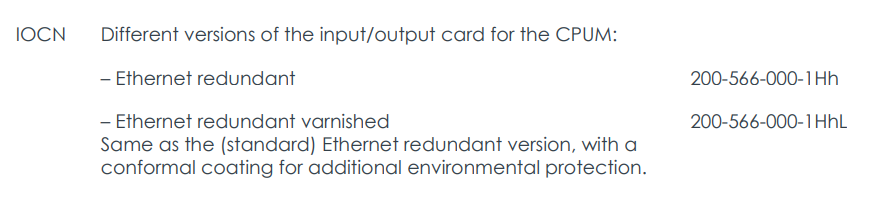
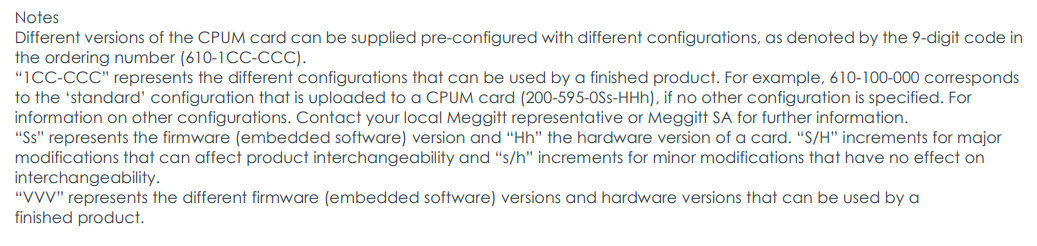
The VM600 IOCN is a high-performance input/output card from VM product line, specifically designed for VM600 monitoring systems. As a companion expansion unit to the CPUM modular CPU card, the IOCN primarily serves critical roles in signal interface expansion, electrical isolation, and communication link management. By providing additional physical interfaces and enhanced signal protection capabilities, this card enhances the connectivity between the VM600 system and external devices, ensuring stable and reliable data communication in industrial environments. Working in coordination with the CPUM, the IOCN forms the core communication and control hub of the VM600 rack-based monitoring system, widely used in rotating machinery protection and condition monitoring applications in power generation, oil and gas, and other industries.
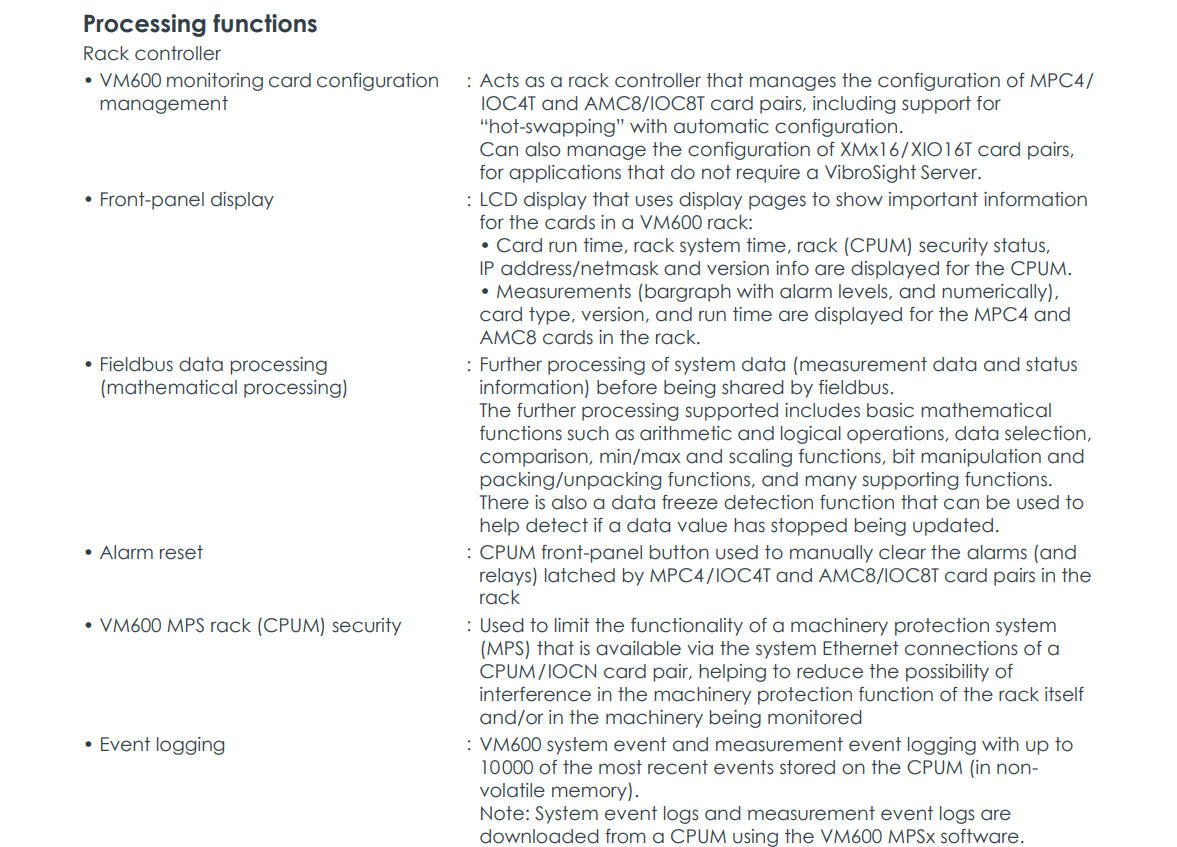
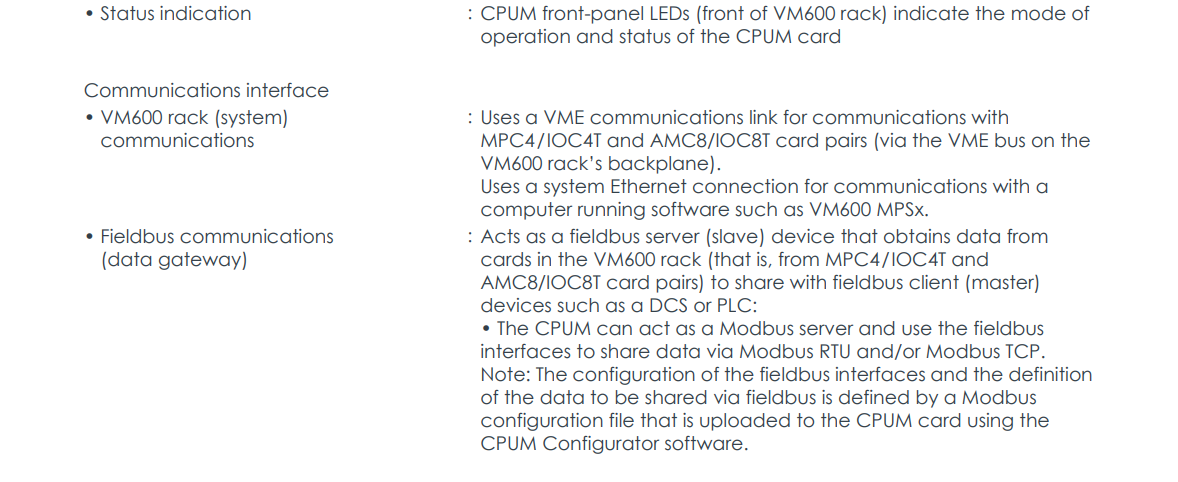
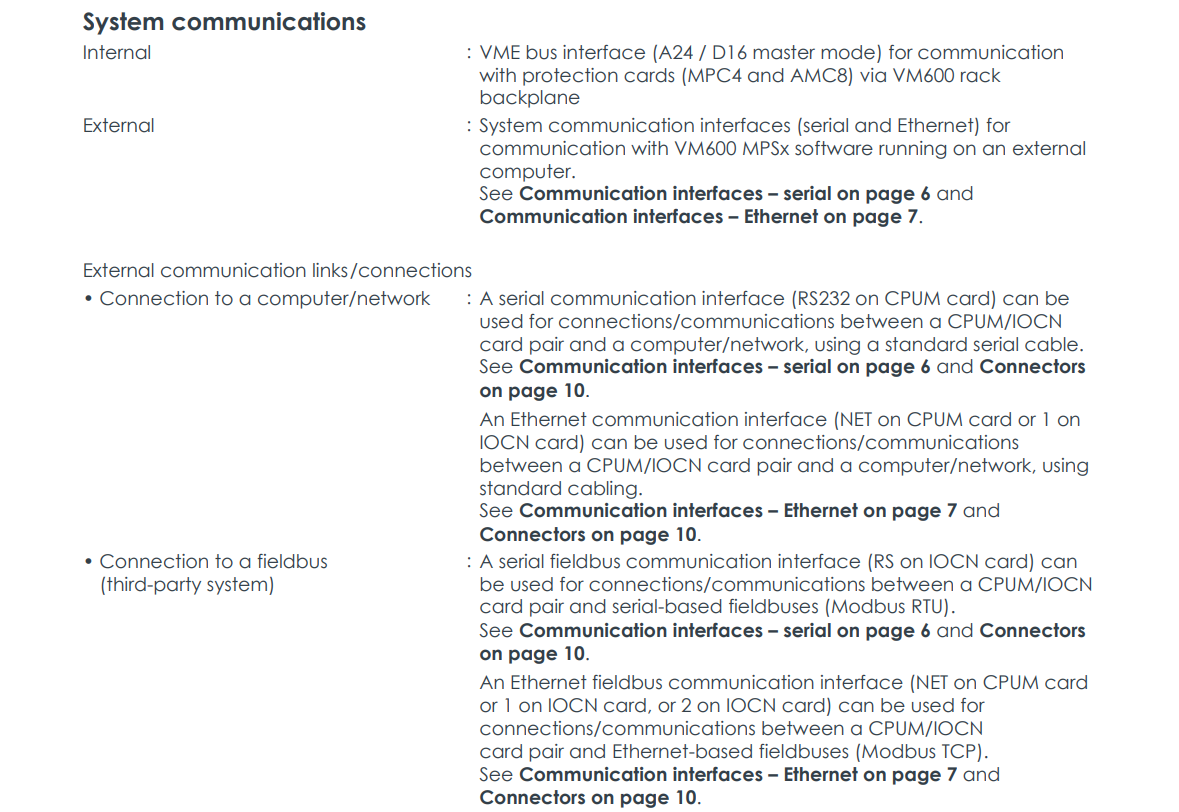
Within the VM600 system architecture, the IOCN card operates at the communication interface layer, serving as a critical bridge connecting the CPUM controller with external networks/devices. Its core functions include expanding CPUM's communication capabilities, providing additional physical interfaces, and ensuring adequate electrical isolation and electromagnetic protection for all input and output signals.
The IOCN is installed in the rear slots of the VM600 rack (in positions corresponding to the front-mounted CPUM card), directly connecting to the CPUM through the backplane to form a complete communication interface pair. This design allows main communication interfaces to be flexibly routed to the rear of the rack, facilitating wiring and management while maintaining front panel simplicity.
Key Features and Functions
1. Interface Expansion and Flexible Routing
The IOCN card provides rich physical interfaces that significantly expand CPUM's connectivity:
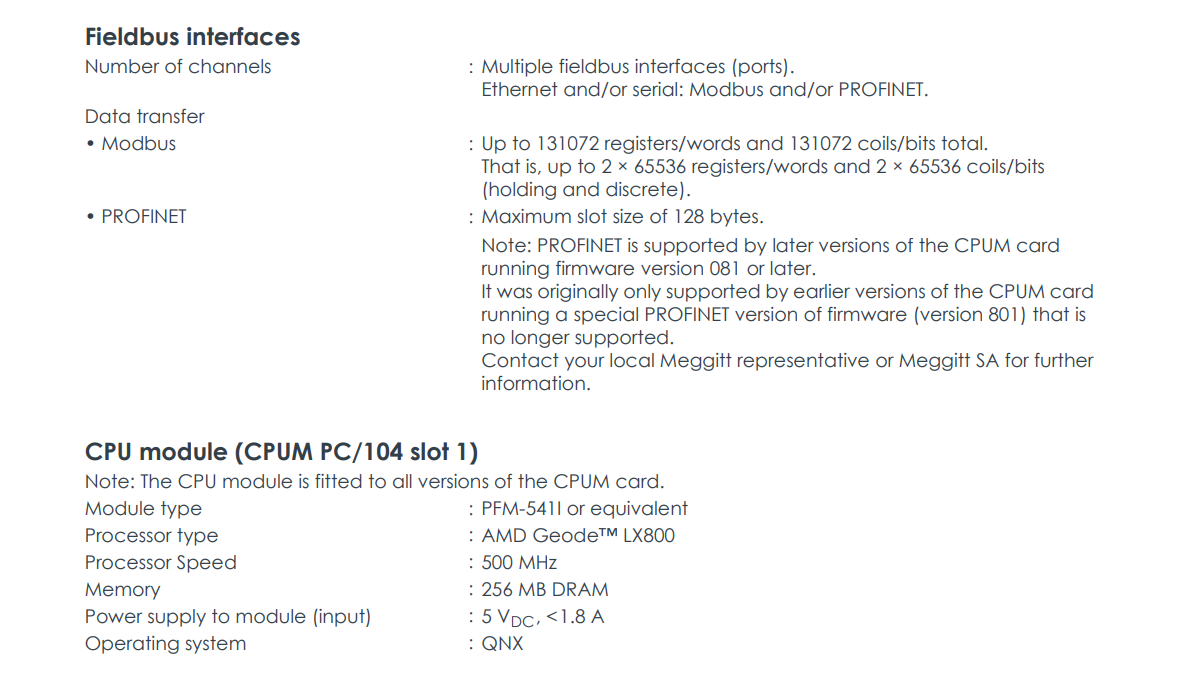
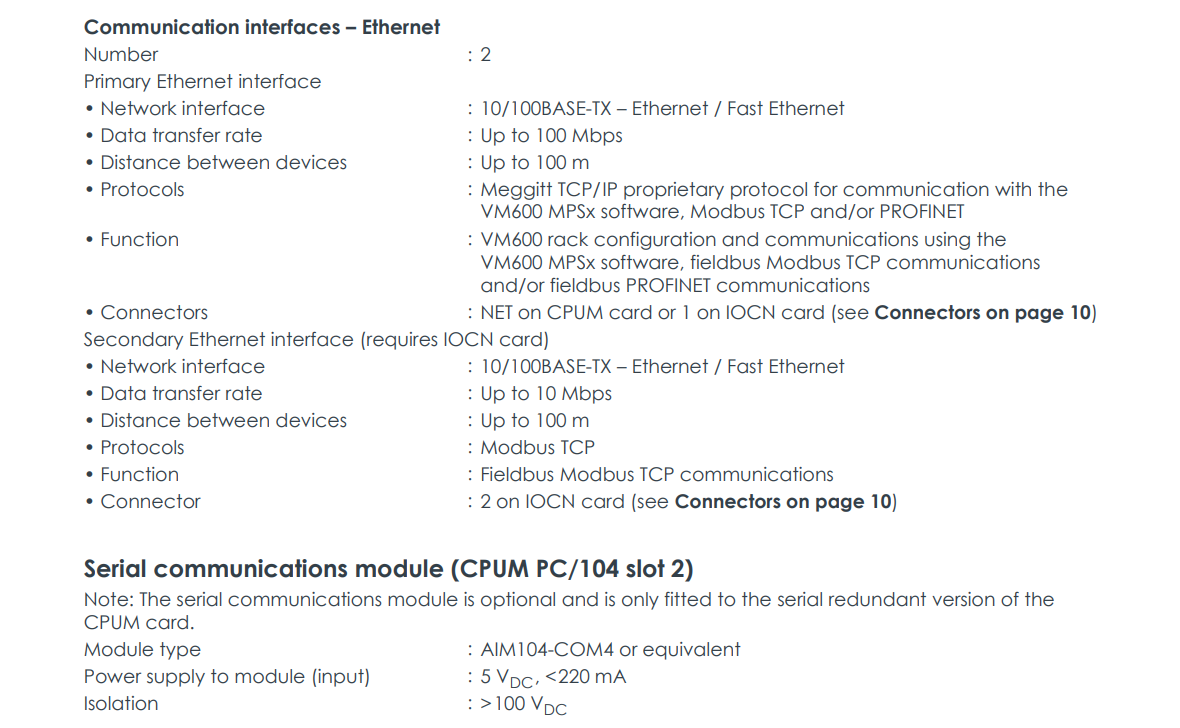
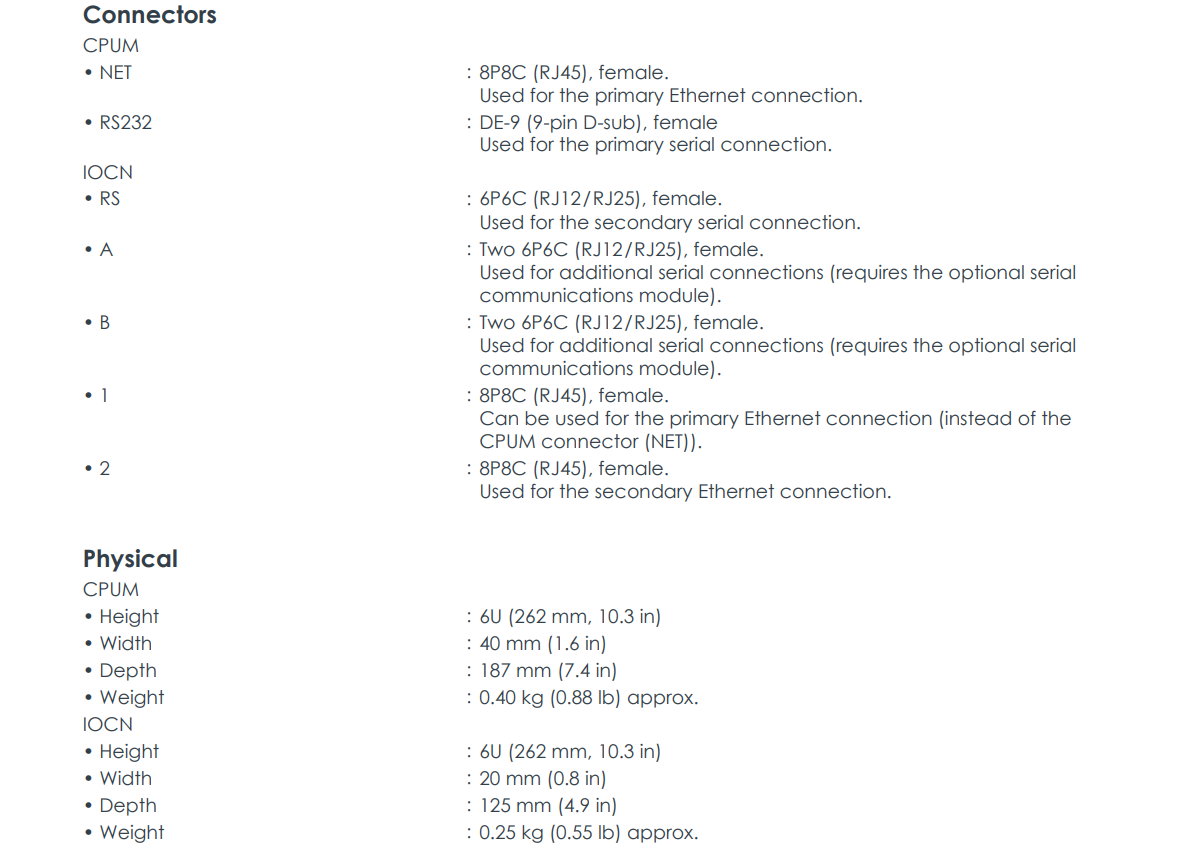
2 Ethernet interfaces (Ports 1 and 2) for primary and backup Ethernet connections
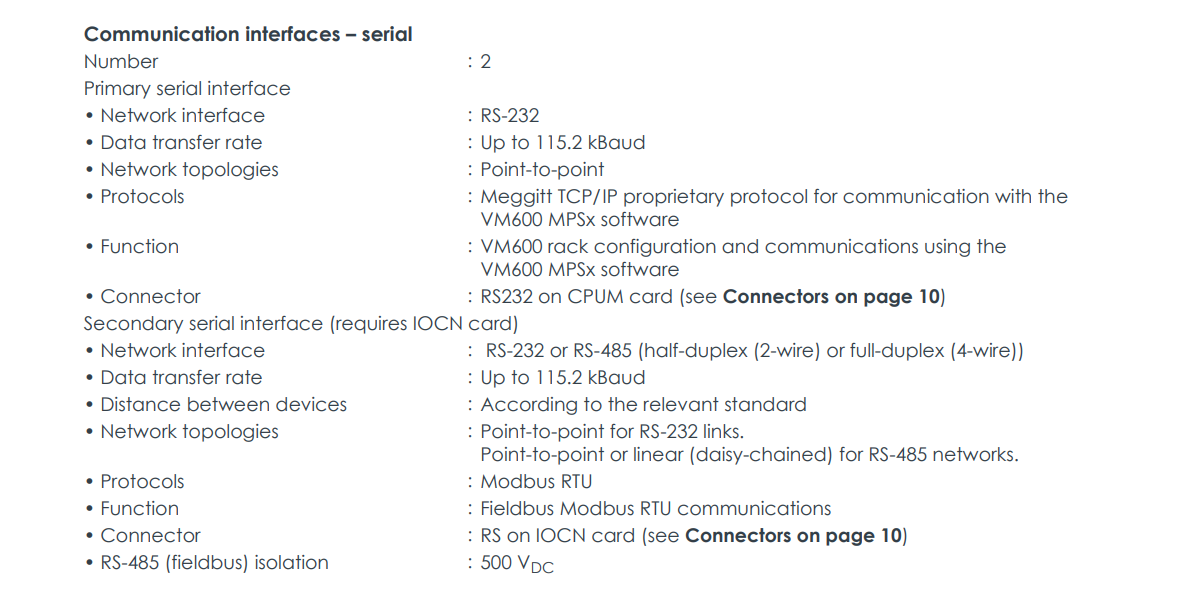
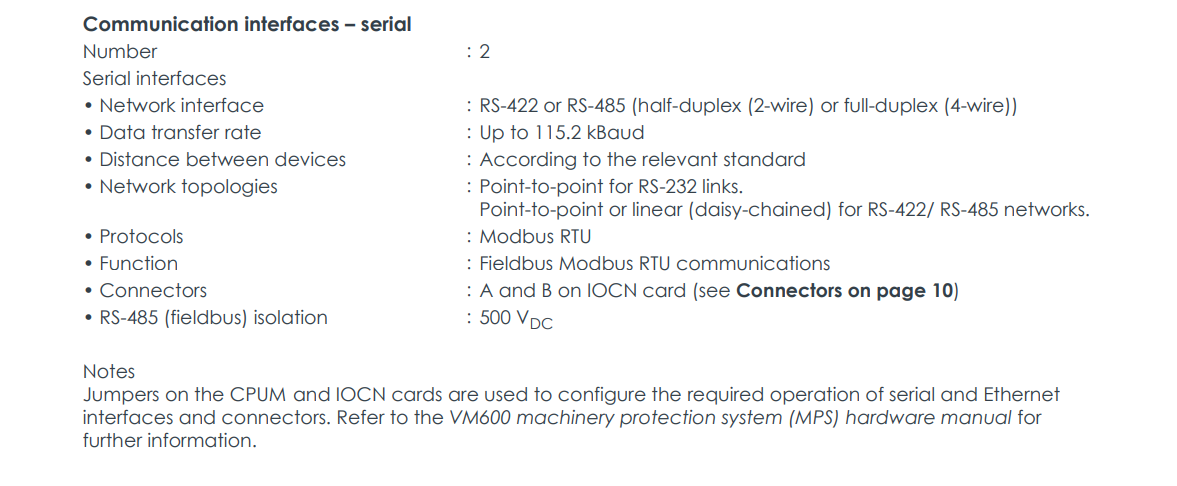
1 serial interface (RS port) for secondary serial communication
4 additional serial interfaces (Groups A and B, 2 each), requiring CPUM's optional serial communication module
These interfaces support flexible routing configurations. For example, the primary Ethernet interface can be redirected from the CPUM's front panel NET port to the IOCN's Port 1, providing greater wiring flexibility for system integration.
2. Comprehensive Electrical Isolation and Signal Protection
The core value of IOCN lies in its exceptional protection capabilities:
All serial communication interfaces (particularly RS-485) provide 500VDC electrical isolation, effectively preventing ground loops and common-mode voltage interference
Built-in electromagnetic interference (EMI) filtering and surge protection circuits meet strict electromagnetic compatibility (EMC) standards
Protects the sensitive CPUM card from electrical noise and transient overvoltages in field environments
3. Communication Redundancy Support
Through multiple independent communication interfaces, the IOCN supports building redundant communication networks:
Dual Ethernet interfaces enable network redundancy configuration
Multiple serial interfaces support multi-drop RS-485 network topologies
Ensures system maintains normal operation even if a single communication link fails
4. Hot-Swapping and Automatic Recognition
Working with the CPUM card, the IOCN supports hot-swapping functionality, allowing installation or replacement while the system remains powered. The system can automatically detect and recognize the IOCN card and load the corresponding configuration, significantly improving system maintainability and availability.
5. Industrial-Grade Robust Design
Uses industrial-grade components and design to ensure long-term stable operation
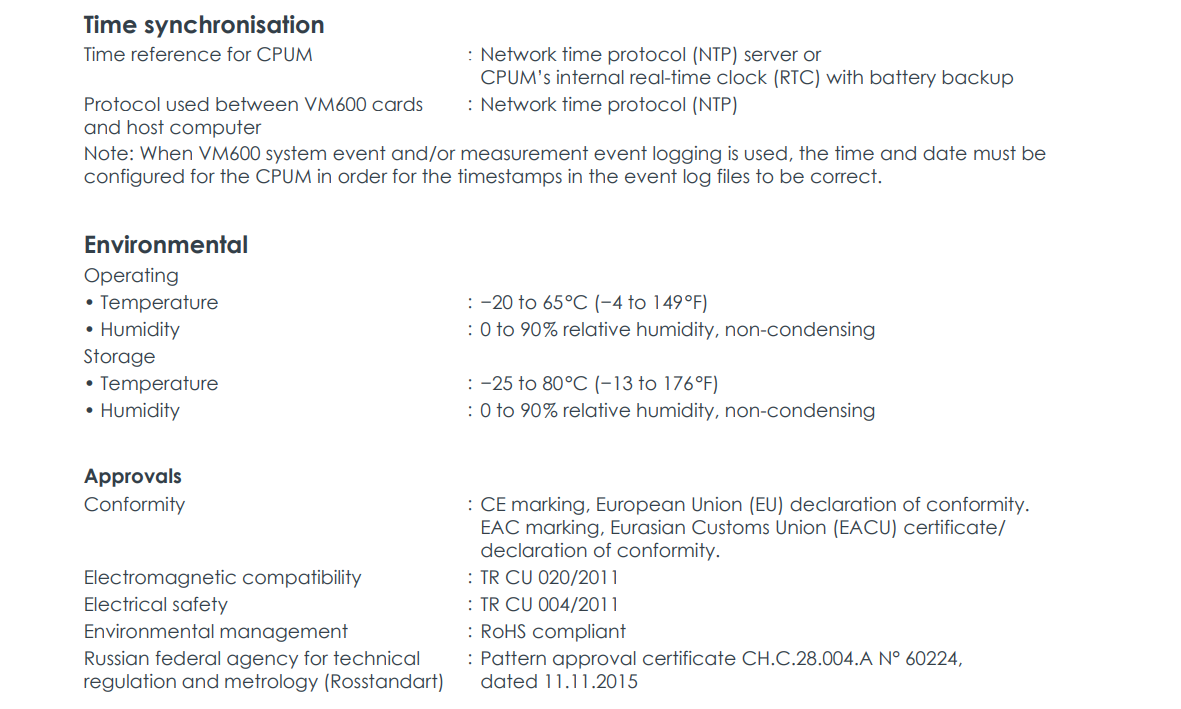
Operating temperature range: -20°C to 65°C
Compatible with all VM600 ABE04x system racks
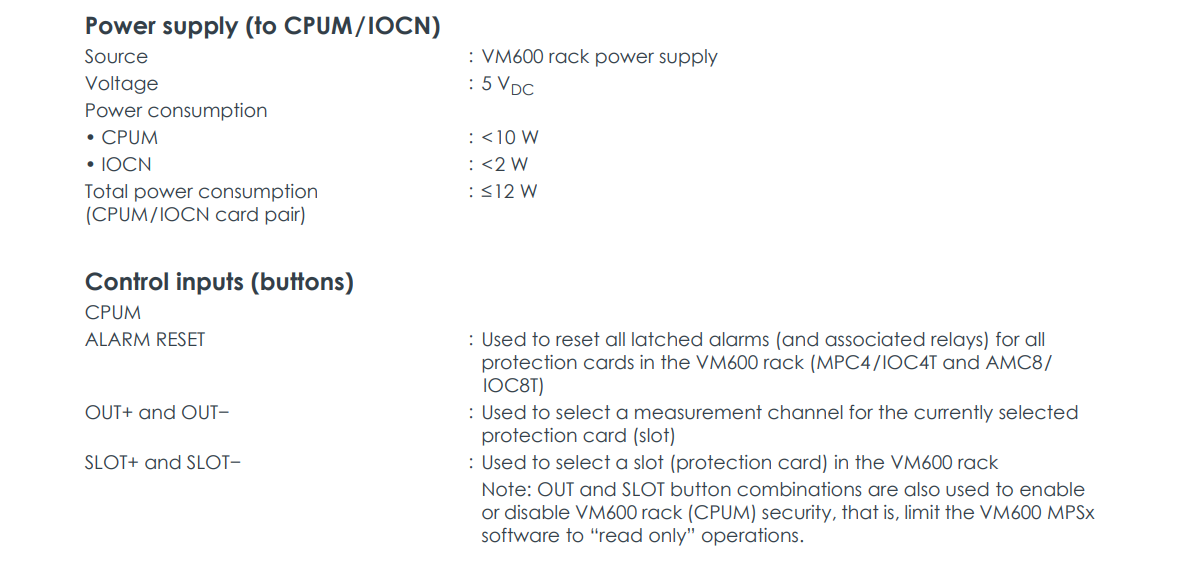
Low-power design: <2W
Detailed Working Principle
1.Signal Routing and Interface Management
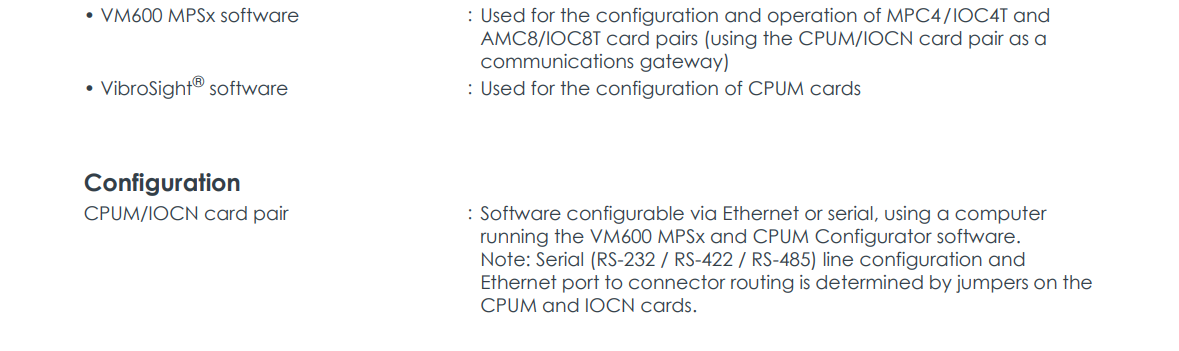
The IOCN is essentially an intelligent signal routing and interface expansion unit. It establishes a high-speed connection with the CPUM card through the VM600 rack backplane, receives communication signals from the CPUM, and routes them to appropriate physical interfaces. Jumper settings on the card allow users to flexibly configure interface functions and parameters, such as determining whether a serial port operates in RS-232, RS-422, or RS-485 mode. This design enables the same hardware to adapt to different communication requirements, greatly enhancing system adaptability.
2.Electrical Isolation Mechanism
The IOCN employs multi-level protection design for signal isolation. For serial communication interfaces, particularly RS-485 interfaces used for fieldbus communication, it uses optocoupler or magnetic coupling isolation technology providing up to 500VDC isolation voltage. This means there is no direct electrical connection between field devices and the system's internal circuits, effectively preventing current loops caused by ground potential differences while suppressing transient overvoltages from lightning strikes and power fluctuations.
For Ethernet interfaces, the IOCN uses specialized Ethernet isolation transformers that provide signal coupling and electrical isolation. These transformers not only provide electrical isolation but also suppress common-mode noise and improve signal quality, ensuring communication reliability in harsh industrial environments.
3.Electromagnetic Compatibility Design
The IOCN card features careful electromagnetic compatibility design. The board integrates multi-stage filtering circuits, including power filtering and signal line filtering. The power input section uses π-type filter networks to effectively suppress noise on power lines. Signal lines are equipped with filter networks composed of chip beads and capacitors to suppress high-frequency interference.
All interfaces use metal-shell connectors with 360-degree shielding connections, ensuring excellent shielding effectiveness throughout the entire signal path. This design enables the IOCN to meet strict EMC requirements in industrial environments, including tests for electrostatic discharge immunity, radio-frequency electromagnetic field immunity, and electrical fast transient/burst immunity.
4.Hot-Swapping Support Mechanism
The IOCN's hot-swapping functionality is achieved through carefully designed power management and signal detection circuits. When the card is inserted into a powered rack, the power pins make contact before the signal pins, ensuring power stability before establishing signal connections. The detection circuit on the card immediately reports the card's insertion and removal status to the CPUM, triggering automatic configuration recognition and reinitialization.
5.Collaboration with CPUM
The IOCN and CPUM are closely connected through two connectors on the rack backplane, forming a complete functional unit. The CPUM handles all data processing and protocol conversion, while the IOCN is responsible for providing physical interfaces and signal protection. Communication between them uses a parallel bus approach to ensure high-speed data transmission.
When the CPUM needs to communicate with external devices, it sends data to the IOCN through the backplane bus. The IOCN performs electrical isolation and signal conditioning before transmitting through the appropriate physical interface to the external network. Conversely, when external devices send data to the system, the IOCN first receives the signal, performs necessary signal conditioning and isolation, and then transmits the data to the CPUM for processing via the backplane bus.
Hardware Architecture and Interface Configuration
Physical Interface Layout
The IOCN card provides carefully planned interface layout:
Ports 1 and 2: 8P8C (RJ45) Ethernet interfaces for primary and backup Ethernet connections
RS port: 6P6C (RJ12/RJ25) serial interface for secondary serial communication
Group A and B interfaces: Two 6P6C (RJ12/RJ25) serial interfaces each for additional serial connections
Internal Architecture
The IOCN card's internal design adopts a modular approach, mainly containing the following functional blocks:
Interface connector block: Central area for all physical interfaces
Signal conditioning block: Contains isolation devices, filtering circuits, and signal driver circuits
Backplane interface block: Responsible for connection with rack backplane and CPUM card
Power management block: Handles card power supply and power filtering
Jumper Configuration
The IOCN card provides multiple jumper settings for configuring:
Serial interface operation mode (RS-232/RS-422/RS-485)
Termination resistor enable/disable
Interface signal routing selection
Typical Application Scenarios
1. Multi-Station Monitoring Network
In large factories, multiple VM600 racks form multi-drop networks through IOCN's RS-485 interfaces, enabling centralized monitoring and distributed data acquisition.
2. Redundant Communication Systems
Using IOCN's dual Ethernet interfaces to build primary/backup redundant networks ensures uninterrupted critical monitoring data.
3. Harsh Industrial Environments
In environments with severe electrical noise, IOCN's isolation and protection functions ensure communication reliability.
4. High-Density Installation
In situations with limited cabinet space, IOCN's rear interface design facilitates wiring and maintenance.