A turbine control system helps you run a turbine by itself. You use this system to make sure the turbine works well. The turbine control system lets you change settings and check how it works. It also helps keep the machine safe from trouble. You trust the system to act fast and keep things safe. Redundancy in the turbine control system means there are extra parts to stop problems. Safety and efficiency get better when you use a good turbine control system.
Key Takeaways
A turbine control system helps run turbines safely and well. It watches things like speed, temperature, and pressure.
Redundancy means there are extra parts ready to use. This stops problems if something breaks. It is very important for safety in places like nuclear plants.
Automation lets people watch and control turbines from far away. It helps fix problems fast and saves money. It also makes turbines work better.
Checking and updating the control system often makes it more reliable. This helps turbines last longer and cost less to run.
Safety features like emergency shutdowns and backup controls keep turbines safe. They stop damage and help everything work smoothly.
Turbine Control System Overview
Main Functions
A turbine control system helps your turbine work well. It watches things like speed, temperature, and pressure. The system makes changes so the turbine lasts longer. You see how it helps you every day:
The system checks many parts all the time.
It changes settings for better performance.
It helps save energy and stops waste.
Here is a table that shows what a turbine control system does:
Function Type | Description |
Speed Control | Controls how fast the turbine spins. |
Load Control | Handles the load for best results. |
Temperature Control | Watches and changes temperature to stop overheating. |
Pressure Control | Keeps pressure safe for the turbine. |
Others | Covers things like frequency and stress. |
You use these functions to make the system work better. The system helps your turbine by making smart changes. If you use a digital control system, you get more benefits. It helps you collect data and make quick choices.
Redundancy and Safety
You want your turbine to be safe and work well. The system uses redundancy to stop problems. Redundancy means extra parts are ready if something breaks. Some systems use four channels for the same job. If one part fails, others keep the turbine safe.
Redundant systems are needed in places like nuclear plants.
The system finds problems and switches to backups very fast.
You need two good signals before the system acts, so it does not make mistakes.
Safety rules help you trust your turbine. The system uses standards like IEC 61508 and ISO 13849. These rules make sure the system works and keeps risks low. You see safety features like emergency shutdown valves and designs that handle faults. The system checks alerts and uses manual checks to make sure things are right.
Tip: Always check if your system follows safety rules. This helps you stop accidents and keep your turbine working.
Automation
Automation makes your turbine easier to control. The system uses digital control system technology, sensors, and smart software. You get data right away and fast actions. Automation helps you find problems early, like high heat or low flow. You can fix things before they get worse.
Automation lets you watch your turbine from far away.
You save time and money because the system does many jobs.
You use digital control system features to collect and study data later.
Modern turbines use automation to work better. For example, new systems at Box Canyon Dam help you get more power and lower costs. You see more uptime and fewer problems. Automation also helps you control many turbines at once, even in different places.
Evidence Description | Impact on Turbine Performance |
Nozzle Control Method | Makes the turbine work better by controlling airflow and lowering losses. |
Mathematical Modeling | Helps control strategies, lowers vibration, and improves efficiency. |
Advanced Control Strategies | Matches loads and lowers energy loss, making the turbine more reliable. |
You get more from automation because it makes your turbine smarter and stronger. The system uses algorithms, from simple PID to advanced model predictive control, to keep everything working well.
Components
When you look at a turbine control system, you see many parts. Each part works with others to help the system run well. These parts also keep your turbine safe and working right.
Controllers
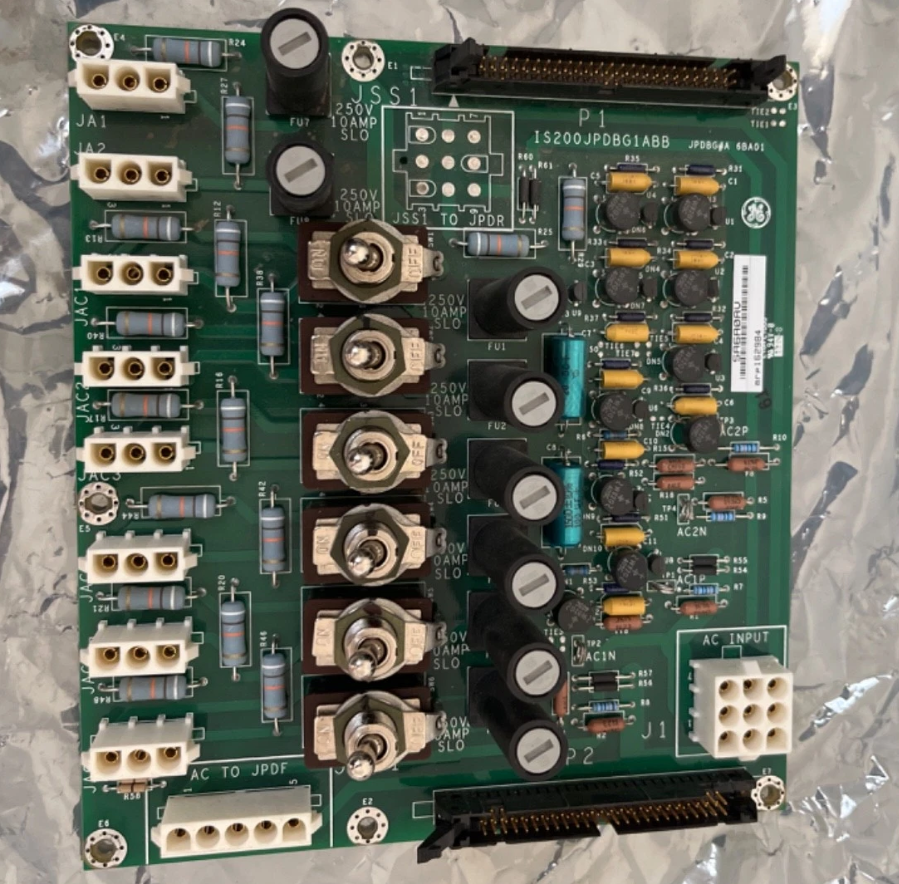
Turbine controllers are like the brain of the system. You use them to control how the turbine reacts to changes. Controllers make fast choices, such as starting or stopping the turbine. They also change speed and handle emergencies. Some controllers, like IS220UCSAH1A, help with starting and stopping. Others, like IS420UCSBH1A, focus on safety and shutting down in emergencies. You depend on controllers to keep things steady and protect your equipment.
Here is a table that lists important parts in many turbine control systems:
Component | Description |
Main housing | Made from strong ductile iron so it lasts long |
Power piston & output shaft | Built to be reliable and last a long time |
Output shaft | Uses oil-fed bush for better support |
Oil motor | Works well even when oil conditions are tough |
Internal actuator oil accumulator | Helps keep things steady (in some models) |
Optional oil filter | Makes the system last longer (in some models) |
Minimal overshoot | Gives very exact control |
Shock resistant casing | Keeps parts safe from shocks |
Wear preventative coating | Helps parts last longer |
Additional components | Includes governors, actuators, displays, cabinets, and accessories |
Sensors
Sensors help you get data from the turbine. You use sensors to watch things like temperature, pressure, and speed. These sensors send signals so the system can react fast.
Temperature sensors check heat and stop overheating.
Pressure sensors watch fluid pressure to keep things safe.
Velocity sensors track how fast things move inside the turbine.
Sensors give you the info you need to keep things running well.
Tip: Always check your sensors to make sure they work. Good sensors help you stop problems and keep your turbine safe.
Networks
Networks link all the parts of your system. You use networks to send data between controllers, sensors, and displays. A strong network gives you fast and steady information.
Component | Function |
IS220UCSAH1A | Handles startup, shutdown, load control, and flame checks |
IS420UCSBH1A | Takes care of emergency shutdown and safety |
IS420UCSBH4A | Gives backup so one problem does not stop protection |
You get help from networks that use safe communication and smart analytics. These networks help you find problems early and keep your turbine safe from cyber risks.
Startup and load management uses smart steps.
Smart analytics help you spot issues before they get worse.
Safe networks protect your system from outside dangers.
Networks make sure every part of your turbine control system works together for the best results.
Benefits
Reliability
You want your turbine to work every day. A good control system helps with this. The system uses smart control strategies. These strategies help your turbine handle wind and vibration. Peak shaving and tuned mass dampers are examples. Floating feedback lowers load and keeps things steady. You see fewer breakdowns and more steady power.
Control Strategy | Measurable Improvement in Reliability |
Peak Shaving | Makes the turbine react less to strong wind. |
Floating Feedback | Lowers load and keeps the platform from moving too much. |
Tuned Mass Dampers | Helps the system stay calm at certain frequencies. |
You also get less downtime. The system finds problems early using thermography and vibration analysis. You can fix issues before they stop your turbine.
Efficiency
You want your turbine to use energy well. The system helps you save fuel and lower costs. Modern control systems in steam turbines can boost efficiency by 2% to 3%. This small change saves thousands of tons of coal and millions of dollars each year. You also help the planet by cutting CO2 emissions.
The system uses predictive maintenance to keep your turbine running well. You get regular checks and timely repairs. This can cut unplanned downtime by up to 45%. You use resources better and avoid waste.
Evidence Description | Impact on Efficiency |
Predictive maintenance plans repairs and uses resources well. | Makes sure resources are used wisely and lowers costs. |
Regular checks and quick fixes keep turbines working longer. | Turbines last up to 20% longer, which is good for power companies. |
Research shows predictive maintenance can cut downtime by 45%. | Saves money and makes everything run better. |
Tip: Use digital solutions from companies like ABB and Emerson. They help you get better diagnostics and efficiency.
Protection
You need your system to protect your turbine from harm. The system uses many safety features to stop equipment failure. You get redundant control functions, speed-detector modules, and valve-positioner modules. These features act fast to prevent damage.
Protection Mechanism | Description |
Redundant Control Functions | Includes speed and overspeed control, load control, steam pressure control, and valve testing. |
Speed-Detector Module | Gives fast overspeed protection and can trip in 5 milliseconds. |
Valve-Positioner Module (RVP) | Calibrates automatically and gives a backup for the control valve. |
Median Selector Logic | Uses separate cards to protect against single failures. |
Protective Programs Execution | Runs safety checks like overspeed protection every 50 milliseconds. |
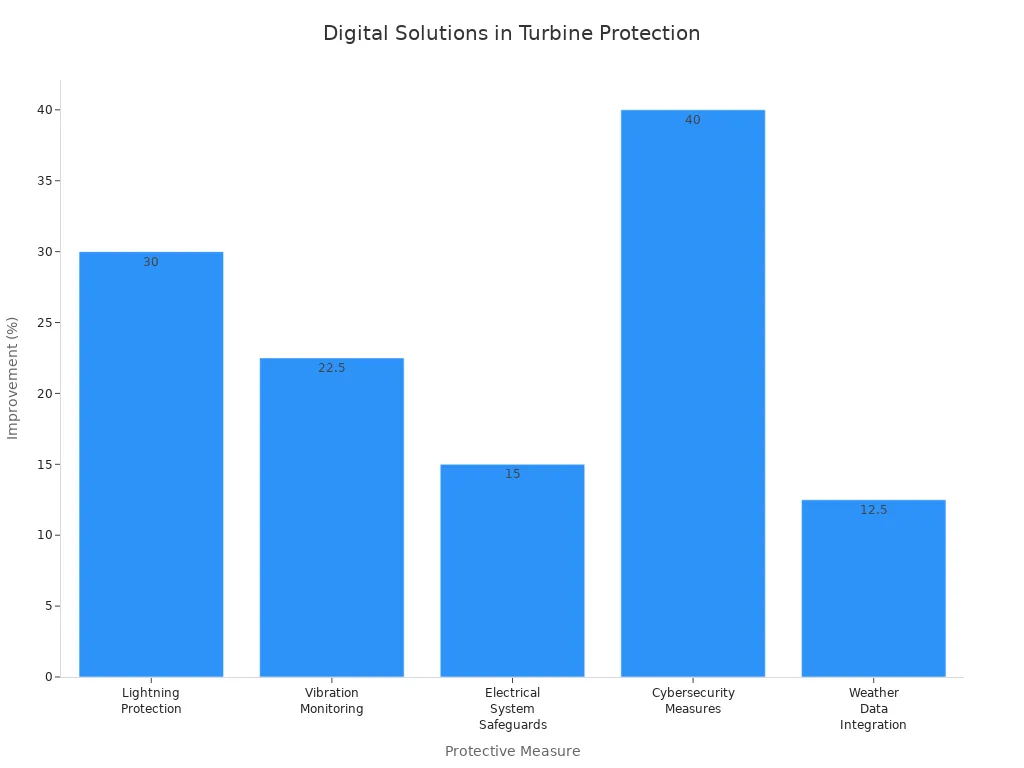
Digital solutions add extra layers of protection. You see lightning protection, vibration monitoring, and cybersecurity measures in action. Offshore wind farms in Northern Europe have fewer lightning failures now. Onshore turbines in North America have less downtime. Grid operators in Australia have more uptime.
Protective Measure | Outcome Metrics | Industry Example |
Lightning Protection | Up to 30% fewer lightning failures | Offshore wind farms in Northern Europe |
Vibration Monitoring | 20-25% less downtime | Onshore turbines in North America |
Electrical System Safeguards | 15% more uptime | Grid operators in Australia |
Cybersecurity Measures | 40% fewer cybersecurity problems | Leading wind farms in Europe |
Weather Data Integration | 10-15% better uptime during storms | Offshore projects in Asia |
You feel safe knowing your system protects your turbine from many risks.
Applications
Gas Turbines
A control system helps your gas turbine work safely. It uses smart ways to meet what the market needs. Fuel controllers change how much fuel goes in to set the speed. Nozzle control helps keep exhaust gas temperature and generator speed right. Cascade control keeps the speed from changing too much. Emerson’s system has extra controllers, fast Ethernet, and safety features. These things help you run your turbine with less risk.
Aspect | Description |
Control System | Emerson’s system keeps gas turbines safe and reliable. |
Control Strategies | Advanced applications give you flexibility and reliability. |
Hardware | Redundant controllers and fast networks support safe operation. |
You can get new digital platforms like the TMS-1000 Series or GE Vernova. These systems take the place of old controls and give you data right away. Mark VIe and OpFlex help you do better without stopping for a long time.
Steam Turbines
Many steam turbines now use new control systems. You can swap out old pneumatic or hydraulic controls for electronic ones. These upgrades give you real-time data and better ways to watch your turbine. You get fewer shutdowns and more steady work. Digital upgrades turn old governors into electronic ones. Speed sensing and new actuators help you react faster to changes.
Upgrade Type | Benefits |
Digital Modernization | Fewer trips, better reliability. |
Speed Sensing Technology | Accurate monitoring and control. |
Advanced Actuators | Faster response to load changes. |
HMI Upgrade | Better operator control and monitoring. |
System Integration | Remote monitoring and off-site analysis. |
You can use life extension solutions to make your system last longer. These let you use old parts again and save money.
Wind Turbine Control Systems
Wind turbine control systems help you with many problems. Advanced controls help lower power swings and stress on blades and towers. You control how the platform moves, which is important for offshore wind turbines. Floating wind turbines face strong winds and big waves. The system keeps the platform steady and power high.
Challenge | Description |
Dynamic Response | Controls platform movement from wind and waves. |
Stability and Power | Keeps the turbine stable and produces more energy. |
Environmental Stochasticity | Handles changing wind, waves, and currents. |
Advanced Controls | Reduces power swings and structural loads. |
You use load reduction to help wind turbines last longer. Adaptive lifetime control can lower blade bending by 9.39% and tower movement by 6.58%. These ways help you get more energy and make your turbine last longer. Advanced controls work for both land and offshore wind turbines.
You count on a turbine control system to keep energy safe. It helps make energy in a way that works well and does not waste much. New systems use digital tools, sensors, and automation. These things help you get good results.
More people want these systems because of new tech and clean energy needs.
In the future, you will see more AI, better automation, and smarter ways to spot problems early.
When you think about the future, digital solutions will help you change and make your work better.
FAQ
What does a turbine control system do?
You use a turbine control system to watch and manage how your machine works. The system helps you keep things safe, steady, and efficient. It also lets you spot problems early.
How often should you check your system?
You should check your system every month. Regular checks help you find small issues before they become big problems. This keeps your equipment running longer.
Can you upgrade an old system?
Yes, you can upgrade an old system. Newer systems give you better data and more control. Upgrades help you save money and improve safety.
Why is automation important?
Automation lets you control your equipment from far away. You get faster actions and better data. This makes your work easier and helps you avoid mistakes.
What happens if a sensor fails?
If a sensor fails, the system uses backup parts to keep things safe. You get an alert so you can fix the problem quickly.