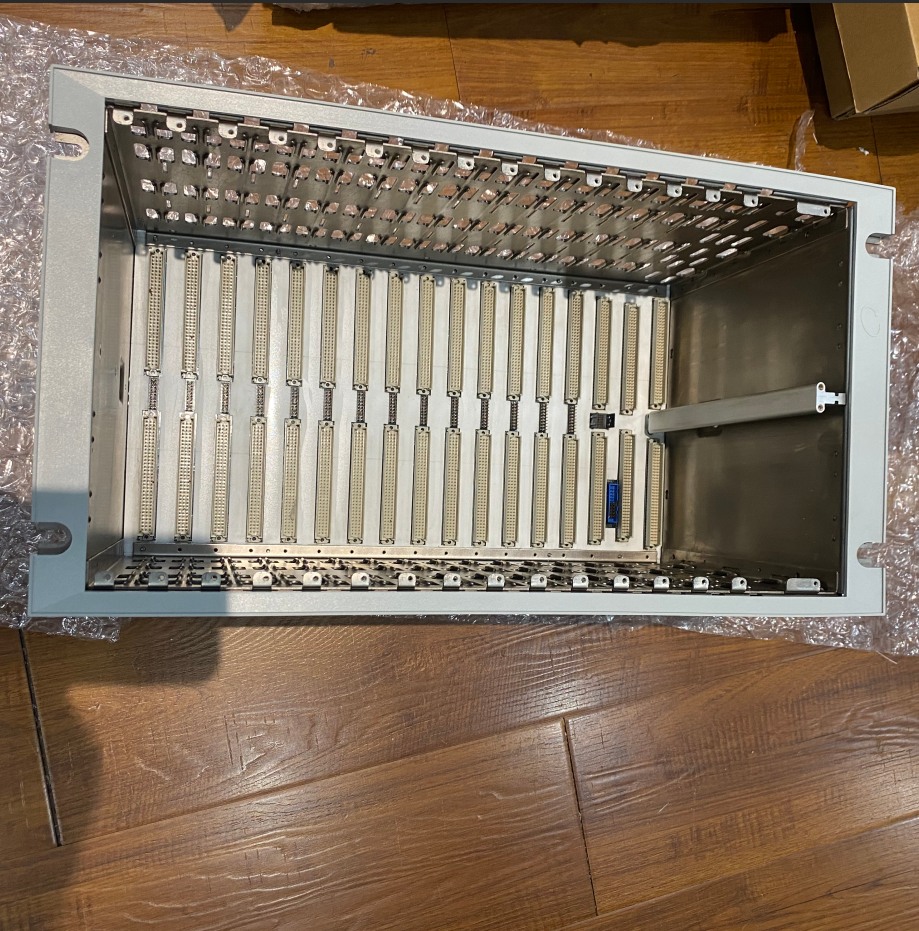
Operating critical rotating machinery on legacy protection systems introduces severe risks to plant reliability. The Bently Nevada 3300 series has reached the end of its lifecycle. This obsolescence results in severe spare parts scarcity, a complete lack of vendor support, and major bottlenecks when integrating with modern Plant Distributed Control Systems (DCS). Upgrading to the modern standard is the industry-recognized resolution. Because these systems are fundamentally incompatible at the module level, operators must plan a comprehensive rack replacement rather than a phased component swap. Understanding the technical nuances of Bently Nevada 3500 vs 3300 is necessary for plant engineers. A successful migration requires strict planning, from evaluating panel cutouts to translating analog alarm setpoints into digital configurations. We will explore the architectural differences, structural migration strategies, and specific risk mitigation tactics required to execute a transition during your next scheduled plant turnaround.
Total System Incompatibility: Bently Nevada 3500 modules cannot be installed in 3300 racks; upgrades require a complete system replacement and panel footprint evaluation.
Communication Advancements: The 3500 series replaces legacy serial communications with robust digital integration, supporting Modbus TCP/IP, DeviceNet, and ControlNet.
Sensor Retention: In most migration scenarios, existing field wiring and transducers (proximity probes, velocity sensors) can be retained and landed on the new 3500 I/O modules.
Enhanced Diagnostics: The 3500 system offers superior time waveform analysis and dynamic data routing to condition monitoring software compared to the analog-limited 3300 series.
Table of Contents
Toggle
Why You Need to Replace the Bently Nevada 3300 System
Obsolescence and Spare Parts Scarcity
Bently Nevada 3300 systems face increasing maintenance challenges due to discontinued production and limited spare parts availability. Aging modules, power supplies, and refurbished components can increase failure risks and unexpected downtime. Upgrading to the 3500 Series improves access to supported hardware, replacement parts, and modern machinery protection capabilities.
Limitations in Modern Control System Integration
Legacy Bently Nevada 3300 systems have limited communication bandwidth and integration capabilities compared with modern monitoring platforms. Serial communication and restricted diagnostic data can complicate integration with DCS, PLC, and Asset Performance Management (APM) systems. Upgrading to the 3500 Series enables more flexible communication, enhanced condition monitoring, and improved predictive maintenance.
Bently Nevada 3500 vs 3300: Structure & Main Differences
Rack Form Factors and Module Incompatibility
There is absolutely no backward compatibility between the two series. You cannot install a modern module into a legacy chassis, nor can you use legacy power supplies with modern backplanes. The architecture of the Bently Nevada 3500 is fundamentally different. The 3300 utilizes an older analog backplane design, whereas the newer system relies on a proprietary, high-speed digital backplane. This digital backplane supports redundant communication paths and advanced module-to-module data sharing.
Physical dimensions also differ significantly. The legacy chassis has specific depth and height requirements that do not perfectly match the modern rack-mount system. The modern system is available in various sizes, including a standard 19-inch EIA rack and smaller mini-rack configurations. When planning a replacement, mechanical engineers must carefully measure the existing panel cutout. You will likely need customized adapter plates to mount the new chassis securely into the old space.
The modern architecture separates the monitor modules from the Input/Output (I/O) modules. The monitor modules slide into the front of the rack, while the I/O modules attach to the rear. This design allows technicians to replace a faulty monitor module without disturbing the field wiring landed on the rear I/O block. The legacy system did not offer this level of modular convenience, often requiring tedious rewiring during component replacement.
Signal Processing and Vibration Analysis Capabilities
Bently Nevada 3500 systems use digital signal processing to provide more flexible vibration monitoring than legacy 3300 analog systems. Advanced filtering, waveform analysis, and configurable measurement parameters help engineers detect rotor imbalance, bearing wear, and other mechanical abnormalities. Digital technology also improves measurement consistency and simplifies system configuration.
Communication Protocols and DCS Integration
Bently Nevada 3500 systems support integration with Distributed Control Systems (DCS) through compatible communication gateways, including Modbus TCP/IP and serial Modbus configurations. These interfaces enable vibration data transmission, alarm monitoring, and centralized equipment management. Proper protocol selection, network configuration, and redundancy planning help maintain reliable communication and support predictive maintenance.
Feature Category
Legacy 3300 Series
Modern 3500 Series
Signal Processing
Analog circuitry, physical meter scales
Fully digital, high-speed A/D conversion
System Architecture
Analog backplane, single-piece modules
Digital backplane, separate front/rear I/O modules
Key Evaluation Metrics: From Features to Real-World Performance
Enhanced Diagnostics and Condition Monitoring
Bently Nevada 3500 systems offer enhanced monitoring capabilities compared with legacy 3300 platforms. Advanced modules support multiple sensor types, vibration trending, and dynamic data analysis. Integration with condition monitoring software helps engineers identify mechanical problems early, improve predictive maintenance, and reduce unexpected machinery downtime.
Scalability and Future-Proofing
The Bently Nevada 3500 Series provides flexible, software-based configuration and modular expansion. Engineers can adjust monitoring parameters, alarm settings, and channel configurations without extensive hardware modifications. Its expandable rack architecture simplifies system upgrades and supports future monitoring requirements.
Compliance and Safety Integrity Level (SIL)
Functional safety compliance is essential for critical machinery protection applications. Suitable Bently Nevada 3500 configurations can support SIL-related requirements when implemented according to applicable certifications and safety assessments. Proper redundancy, relay logic, and system validation help improve machinery protection and support IEC 61508 compliance.
Migration Strategy: Replacing the 3300 with the 3500 Series
Assessing Existing Field Wiring and Sensors
Successful 3300-to-3500 migration begins with evaluating existing sensors, cables, and field wiring. Compatible proximity probes, velocity sensors, and accelerometers may be retained after verification. Engineers should confirm signal requirements, wiring connections, and sensor compatibility before connecting equipment to the new monitoring system.
Rack Footprint and Panel Modifications
Rack replacement requires evaluating cabinet dimensions, mounting arrangements, cable routing, and ventilation. Because Bently Nevada 3300 and 3500 systems have different physical configurations, custom mounting plates or cabinet modifications may be necessary. Proper installation planning helps reduce downtime and prevent equipment interference.
Software Configuration and Alarm Setpoint Migration
Alarm and monitoring parameters must be accurately transferred from the legacy 3300 system to the 3500 platform. Engineers should verify transducer sensitivity, alarm thresholds, measurement ranges, filtering, and relay logic. Offline configuration and validation help prevent incorrect alarms and protection failures during commissioning.
Implementation Risks and Solutions
Minimizing Scheduled Downtime During Cutover
Careful migration planning helps minimize machinery downtime during Bently Nevada 3500 installation. Preconfigured racks, prepared mounting hardware, documented wiring schedules, and pretested connections can simplify the replacement process. Field wiring changes should follow approved isolation and machinery protection procedures.
Managing Legacy Protocol Translation
Communication compatibility is critical when integrating the Bently Nevada 3500 system with existing DCS platforms. Engineers should verify Modbus communication settings, network configurations, register mappings, and gateway compatibility. Testing communication interfaces before commissioning helps prevent missing data, incorrect alarms, and integration failures.
Factory Acceptance Testing (FAT) and Loop Checks
Factory Acceptance Testing (FAT) verifies monitoring accuracy, alarm functionality, and system configuration before installation. Following installation, loop checks confirm sensor connections, signal processing, relay outputs, and DCS communication. Complete functional testing helps ensure reliable machinery monitoring and protection before startup.
Conclusion
Audit your current 3300 rack configurations immediately, documenting all active channels, filter settings, and relay voting logic.
Map all existing field wiring and verify sensor health to create a detailed point-to-point migration schedule.
Engage a certified integration partner to perform a mechanical feasibility study for panel modifications and custom adapter plates.
Build and validate the new software configuration offline to ensure all legacy setpoints translate accurately.
Execute a rigorous Factory Acceptance Test with simulated vibration inputs to verify all protection loops before machine startup.
FAQ
Q: Can I use Bently Nevada 3500 modules in a 3300 rack?
A: No. The backplanes and module form factors are completely incompatible. The legacy system uses an analog backplane, while the modern system uses a high-speed digital backplane. A full rack replacement is mandatory.
Q: Does the Bently Nevada 3500 support Modbus communications?
A: Yes. It supports Modbus TCP/IP and serial Modbus via dedicated communication gateway modules. This offers vastly improved, high-speed integration over the legacy system's limited serial capabilities.
Q: Can I reuse existing proximity probes when upgrading from 3300 to 3500?
A: Yes. In most cases, existing eddy current proximity probes, extension cables, and proximitor sensors can be retained. You simply land the existing field wiring onto the new I/O modules.
Q: How do I handle panel cutouts when replacing a 3300 rack with a 3500 rack?
A: The physical dimensions differ between the two systems. You should use precision-machined, customized adapter bezels and mounting plates to fit the new rack seamlessly into the existing panel cutout without on-site metalwork.
Q: Are there safety certification differences between the 3300 and 3500?
A: Yes. The legacy system predates modern functional safety standards. The modern platform is fully certified for SIL 2 and SIL 3 applications, making it suitable for process safety management environments.